Bookbrite Study Abroad Advisers

Study in Switzerland

Switzerland, renowned for its stunning landscapes and high quality of life, stands out as a premier destination for international students seeking a world-class education. With its diverse cultural heritage and multilingual environment, students can immerse themselves in a unique blend of languages and traditions while pursuing their academic goals. Home to some of the world's leading universities and institutions, Switzerland offers a wide range of programs in various fields, including business, engineering, and hospitality. The country’s commitment to innovation and research ensures that students receive a top-notch education, preparing them for a successful career in the global marketplace.

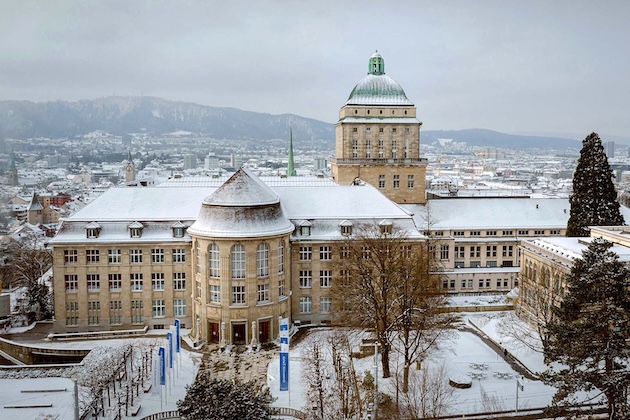
Switzerland — photo 1
Switzerland — photo 2
Switzerland — photo 3
Switzerland — photo 4
Switzerland
1 / 4
Popular courses

In-demand programs

We help students secure offers across the most popular fields in Switzerland.

  • Business Administration
  • Engineering
  • Hospitality Management
  • Computer Science
  • Environmental Science
  • International Relations
  • Graphic Design
  • Medicine
  • Finance
Cost of living

Monthly snapshot

Realistic budget estimates per category.

  • AccommodationCHF 800–2,000/mo
  • Food & groceriesCHF 300–600/mo
  • TransportCHF 70–120/mo
  • Utilities & internetCHF 150–250/mo
  • Health insuranceCHF 200–400/mo
  • Annual estimate≈ CHF 30,000/yr
Visa essentials

Understanding the Switzerland student visa process

Study in Switzerland: A Gateway to World-Class Education

Switzerland is renowned for its exceptional education system, picturesque landscapes, and vibrant cultural scene. With a variety of prestigious universities and a strong emphasis on research and innovation, international students are drawn to this beautiful country. Whether you're interested in engineering, hospitality, or business, Switzerland offers a plethora of programs to suit your academic aspirations.

Educational Institutions

Switzerland is home to some of the world’s top universities, including:

  • ETH Zurich (Swiss Federal Institute of Technology)
  • École Polytechnique Fédérale de Lausanne (EPFL)
  • University of Zurich
  • University of Geneva

These institutions provide a high standard of education and are known for their rigorous academic programs and strong ties to industry.

Cost of Living and Tuition Fees

The cost of living in Switzerland can be relatively high, especially in cities like Zurich and Geneva. On average, international students should budget around CHF 1,500 to CHF 2,500 per month for living expenses, which includes accommodation, food, transportation, and leisure activities. Tuition fees vary depending on the institution but typically range from CHF 1,000 to CHF 4,000 per year for bachelor’s programs, while master’s programs can cost between CHF 1,500 and CHF 10,000.

Visa Requirements

International students planning to study in Switzerland will need to apply for a student visa. To do this, you typically must provide:

  • A confirmed admission letter from a recognized Swiss institution
  • Proof of sufficient financial resources to cover living expenses
  • Health insurance coverage

It is advisable to start the visa application process early, as it can take several weeks to complete.

Work Opportunities

As an international student, you are permitted to work part-time during your studies. You can work up to 15 hours per week during the semester and full-time during breaks. This provides a great opportunity to gain experience and offset living costs while immersing yourself in Swiss culture.

For more information on studying in Switzerland and to explore your options, visit the official Study in Switzerland website.

Why study in Switzerland

Why Study in Switzerland

  • World-Class Education: Switzerland is renowned for its high-quality education system, featuring prestigious universities like ETH Zurich and the University of Zurich. These institutions consistently rank among the best globally, offering programs that are recognized and respected around the world.
  • Diverse Language Opportunities: Studying in Switzerland exposes you to multiple languages, including German, French, and Italian. This multilingual environment enhances your communication skills and cultural awareness, making you more competitive in the global job market.
  • Strong Industry Links: Many Swiss universities have strong partnerships with leading companies, particularly in sectors like finance, hospitality, and engineering. This provides students with valuable networking opportunities and internships that can lead to job offers after graduation.
  • Stunning Natural Environment: Switzerland's breathtaking landscapes—ranging from the Alps to pristine lakes—offer a unique backdrop for study. The country promotes a balanced lifestyle, encouraging students to engage in outdoor activities and maintain their well-being.
  • High Quality of Life: Switzerland consistently ranks high in global quality of life indices. With excellent healthcare, safety, and public transport systems, students can enjoy a comfortable and secure living environment while focusing on their studies.
  • Post-Study Work Opportunities: After graduation, students may have the option to stay in Switzerland for up to six months to seek employment. This opportunity allows graduates to gain international work experience in a highly regarded economy.

Top universities to study in Switzerland

Top Universities to Study in Switzerland

ETH Zurich - Swiss Federal Institute of Technology

  • ETH Zurich is renowned for its cutting-edge research and innovation in science and technology. Consistently ranked among the top 10 universities globally, it offers a diverse range of programs in engineering, natural sciences, and mathematics. The university's strong ties with industry leaders provide students with excellent internship and job opportunities.

EPFL - École Polytechnique Fédérale de Lausanne

  • EPFL is a leading university known for its high academic standards and emphasis on interdisciplinary education. With a focus on engineering, architecture, and life sciences, EPFL is at the forefront of research in areas such as renewable energy and digital technology. The campus's vibrant international community enhances the student experience.

University of Zurich

  • The University of Zurich is the largest university in Switzerland and offers a comprehensive range of programs across various fields, including humanities, social sciences, and medicine. Its strong emphasis on research and a wide network of partnerships with institutions worldwide make it an attractive choice for international students.

University of Geneva

  • With a strong focus on international relations, the University of Geneva is well-known for its programs in political science, law, and economics. The university's location in a global diplomatic hub provides students unique opportunities to engage with international organizations and gain practical experience.

University of Basel

  • As the oldest university in Switzerland, the University of Basel has a rich history and is recognized for its excellence in research, particularly in the fields of life sciences and humanities. The university fosters a collaborative environment that encourages innovation and critical thinking among students.

Intakes in Switzerland

Intakes

Switzerland is home to a variety of prestigious universities and institutions offering a wide range of programs for international students. Understanding the intake periods is crucial for successful application planning. Here are the major intake windows:

  • Fall Intake (September):
  • This is the primary intake for most universities in Switzerland. Applications typically open in January and close around May. It is advisable to start preparing your application at least six months in advance to ensure you meet all requirements.
  • Spring Intake (February):
  • Some institutions offer a second intake in February. Application deadlines for this intake usually fall between September and November of the previous year. Again, starting your preparation early is key.

To effectively plan your application timeline, consider the following steps:

  1. Research Programs: Begin your research at least one year before your intended start date to identify suitable programs.
  2. Prepare Documents: Gather necessary documents, such as academic transcripts, language proficiency test results, and letters of recommendation, 6-12 months prior to the application deadline.
  3. Submit Applications: Ensure your applications are submitted by the respective deadlines (May for Fall, November for Spring) to avoid any last-minute issues.
  4. Apply for Student Visa: Once accepted, initiate your student visa application process immediately, allowing sufficient time for processing (typically 6-8 weeks).

By adhering to this timeline and understanding the key intake periods, international students can enhance their chances of a smooth application process and successful enrollment in Swiss institutions.

Cost of studying in Switzerland

Cost of Studying in Switzerland

Switzerland is known for its high-quality education system, but this comes with a price. Understanding the costs associated with studying in Switzerland is crucial for international students looking to budget effectively.

Tuition Fees

Tuition fees in Switzerland can vary significantly depending on the level of study and the field of education. Here’s a breakdown of typical annual tuition fees:

  • Undergraduate Programs: Tuition fees range from CHF 1,000 to CHF 8,000 per year, depending on the university and the program.
  • Master's Programs: Expect to pay between CHF 1,500 and CHF 15,000 annually. Specialized programs, particularly in fields like business or engineering, may be at the higher end of this range.
  • Doctoral Programs: Fees for PhD candidates can vary widely, generally falling between CHF 1,000 and CHF 10,000 per year. However, many doctoral candidates are funded through research assistantships or scholarships.

Field-Specific Tuition Fees

Certain fields may also have specific tuition ranges:

  • Engineering and Technology: CHF 1,500 to CHF 15,000
  • Business and Management: CHF 2,000 to CHF 20,000
  • Arts and Humanities: CHF 1,000 to CHF 12,000
  • Health Sciences: CHF 2,000 to CHF 18,000

Planning Your Budget

When planning your budget, consider the following:

  • Living Costs: On average, international students can expect to spend around CHF 1,200 to CHF 1,800 per month on living expenses, including accommodation, food, transportation, and leisure activities.
  • Health Insurance: Health insurance is mandatory in Switzerland, costing approximately CHF 300 to CHF 500 per month.
  • Scholarships and Financial Aid: Investigate scholarship opportunities offered by Swiss universities or governmental programs, which can significantly offset your costs.

By understanding the tuition fees and living costs, you can make informed decisions and plan effectively for your study abroad experience in Switzerland. For personalized advice and assistance with your application, contact Bookbrite Study Abroad Advisers today!

Scholarships to study in Switzerland

Scholarships

Switzerland offers a variety of scholarship opportunities for international students seeking to further their education in this beautiful country. These scholarships can significantly reduce the financial burden of tuition fees and living costs, making studying in Switzerland more accessible.

Some prominent scholarship programs include:

  • Swiss Government Excellence Scholarships: These scholarships are available for postgraduate students and researchers. Award amounts can vary, providing monthly stipends of CHF 1,920, along with coverage for tuition and insurance.
  • ETH Zurich Excellence Master's Scholarship: This scholarship is aimed at outstanding students applying for a master's degree program at ETH Zurich. It offers a living stipend of CHF 12,000 per year, in addition to a full tuition waiver.
  • University of Geneva Excellence Masters Scholarships: This program is designed for international students entering the master's program at the University of Geneva. Recipients may receive CHF 10,000 to CHF 15,000 per year to support their studies.
  • University of Lausanne Master’s Grants: The University of Lausanne offers a limited number of grants for master’s students, amounting to CHF 1,600 per month for the duration of the program.

It is essential to check eligibility requirements and application deadlines for these scholarships, as they can vary widely. Prospective students are encouraged to explore the specific institutions they are interested in, as many also offer their own financial aid and scholarship opportunities.

To learn more about available scholarships and how to apply, visit the official websites of the universities or scholarship programs. Take the first step towards your academic journey in Switzerland today!

Student visa requirements for Switzerland

Student Visa Requirements

To study in Switzerland, international students must obtain a student visa. Below are the key requirements and details to guide you through the application process:

Required Documents

  • Valid passport: Must be valid for at least three months beyond your planned stay.
  • Admission letter: A formal acceptance letter from a recognized Swiss educational institution.
  • Proof of accommodation: Documentation showing where you will be staying during your studies.
  • Language proficiency: Proof of proficiency in either German, French, Italian, or English, depending on the language of instruction. Accepted tests include IELTS, TOEFL, or equivalent.
  • Health insurance: Proof of valid health insurance coverage that meets Swiss requirements.

Proof of Funds

You must demonstrate sufficient financial means to support yourself during your studies. The required amount is approximately CHF 21,000 per year. This can include:

  • Bank statements showing available funds.
  • Proof of scholarship or financial support from a sponsor.

Language Tests

Depending on your chosen course, you may be required to submit results from a recognized language test. Ensure that:

  • Your test scores meet the minimum requirements set by your institution.
  • The test was taken within the last two years.

Timelines

It is advisable to start your visa application at least 3-4 months before your intended departure. The processing time can vary, but generally takes:

  • 4-12 weeks from the date of your application submission.

Compliance Notes

Upon arrival in Switzerland, you will need to register your residence within 14 days at your local municipality. Ensure you have all your documents ready, as authorities may request them during this process. Also, keep in mind that student visas are usually valid for the duration of your study program, and you must maintain your student status to retain your visa.

Top Student Cities in Switzerland for International Students in 2026

Top Student Cities in 2026

  • Zurich: Renowned for its high quality of life, Zurich is home to ETH Zurich, one of the world's leading universities, and offers a vibrant cultural scene alongside numerous internships and job opportunities in finance and technology.
  • Geneva: As a hub for international organizations, Geneva attracts students interested in global affairs. Its diverse student population and numerous English-taught programs make it an appealing choice for international students.
  • Lausanne: Known for its prestigious institutions, including EPFL, Lausanne offers a beautiful lakeside setting and a strong focus on innovation and research, particularly in engineering and technology fields.
  • Bern: The capital city of Switzerland, Bern boasts a rich historical background and a relaxed atmosphere, providing students with a unique blend of academic and cultural experiences, particularly in the humanities and social sciences.
  • Basel: With a strong emphasis on life sciences and arts, Basel is home to renowned institutions and hosts a variety of cultural events, making it a vibrant place for students to engage academically and socially.

Jobs in Switzerland for International Students

Jobs for International Students

Switzerland offers a wealth of opportunities for international students seeking part-time employment while studying. As a student, you are allowed to work up to 15 hours per week during the semester and full-time during breaks. The average part-time wage for students is around CHF 20 to CHF 30 per hour, depending on the type of job and location.

Common part-time job opportunities include positions in hospitality, retail, and tutoring. Many international students find work in cafes, restaurants, or as language tutors, leveraging their skills and language proficiency.

Upon graduation, the salary expectations for international students can vary widely based on the field of study and level of experience. On average, graduates in Switzerland can expect to earn an annual salary ranging from CHF 60,000 to CHF 100,000, with higher salaries typically found in sectors such as finance, engineering, and information technology.

Overall, working while studying in Switzerland not only helps to support your living expenses but also provides invaluable experience and networking opportunities in a global job market.

Top 5 Highest-Paying Degrees in Switzerland

Top 5 Highest-Paying Degrees in Switzerland

  1. Medicine - CHF 130,000/year
  2. Engineering - CHF 100,000/year
  3. Information Technology - CHF 95,000/year
  4. Finance - CHF 90,000/year
  5. Pharmacy - CHF 85,000/year

High-Demand Job Sectors in Switzerland for International Graduates

High-Demand Job Sectors for International Graduates

Switzerland is renowned for its robust economy and high standard of living, making it an attractive destination for international students looking to advance their careers after graduation. Several sectors consistently show high demand for skilled professionals, offering promising employment opportunities:

  • Finance and Banking: Switzerland is a global financial hub, particularly in cities like Zurich and Geneva. Graduates in finance, economics, and business administration are highly sought after. Salaries in this sector can range from CHF 80,000 to CHF 120,000 per year, depending on the position and experience.
  • Information Technology: With the rise of digital transformation, IT professionals are in high demand. Roles in software development, data analysis, and cybersecurity offer starting salaries of around CHF 70,000 to CHF 110,000 annually.
  • Pharmaceuticals and Biotechnology: Switzerland hosts leading pharmaceutical companies, including Novartis and Roche. Graduates with degrees in life sciences, chemistry, and engineering can expect salaries ranging from CHF 75,000 to CHF 130,000 per year.
  • Engineering: The engineering sector, particularly mechanical and electrical engineering, is thriving in Switzerland. Graduates can earn between CHF 70,000 and CHF 100,000 annually, depending on their specialization and employer.
  • Hospitality and Tourism: As a popular tourist destination, Switzerland's hospitality sector is always in need of trained professionals. Positions in hotel management and event planning typically offer salaries around CHF 50,000 to CHF 80,000 per year.

Given these trends, international students who graduate from Swiss institutions can expect a favorable job market with competitive salaries across various sectors. To enhance your employability, consider internships, networking opportunities, and language proficiency in German, French, or Italian, depending on the region you plan to work in.

FAQs related to Study in Switzerland

What are the main languages spoken in Switzerland?

Switzerland has four official languages: German, French, Italian, and Romansh. The predominant language varies by region, with German being the most widely spoken.

What is the cost of living for international students in Switzerland?

The cost of living in Switzerland can be high, ranging from CHF 1,200 to CHF 2,000 per month, depending on the city. Major expenses include accommodation, food, transportation, and health insurance.

Do I need a student visa to study in Switzerland?

Yes, international students from outside the EU/EFTA need to apply for a student visa to study in Switzerland. You must enroll in a recognized institution and provide proof of sufficient financial means.

What are the top universities in Switzerland?

Some of the top universities in Switzerland include ETH Zurich, University of Zurich, and University of Geneva. These institutions are known for their research and academic excellence.

Is it easy to find part-time work while studying in Switzerland?

Yes, international students can work part-time while studying, typically for up to 15 hours per week during the semester and full-time during breaks. However, proficiency in one of the national languages may improve job prospects.

What are the healthcare requirements for international students in Switzerland?

International students are required to have health insurance during their stay in Switzerland. You can either obtain coverage from a Swiss insurance provider or have your existing insurance validated.

Are there scholarships available for international students in Switzerland?

Yes, various scholarships are available for international students, including those offered by universities and government programs. Researching specific opportunities based on your field of study is advisable.

What is the educational system like in Switzerland?

The educational system in Switzerland is known for its high standards and emphasis on research and practical experience. Most programs are offered in English, especially at the master's level, catering to international students.

Limited slots this month

Book a free counselling session with our experts

30 minutes. No obligation. Walk away with a clear roadmap of your study destination, course, and visa pathway.