Bookbrite Study Abroad Advisers

Study in Singapore

Singapore is a vibrant city-state renowned for its world-class education system, diverse culture, and strategic location in Asia. With its blend of modernity and tradition, Singapore offers international students a unique opportunity to experience a multicultural environment while pursuing their academic goals. The country is home to several top-ranked universities and institutions that provide a wide range of courses in various fields. As an international student, you will not only benefit from high-quality education but also immerse yourself in a dynamic urban landscape filled with exciting opportunities.

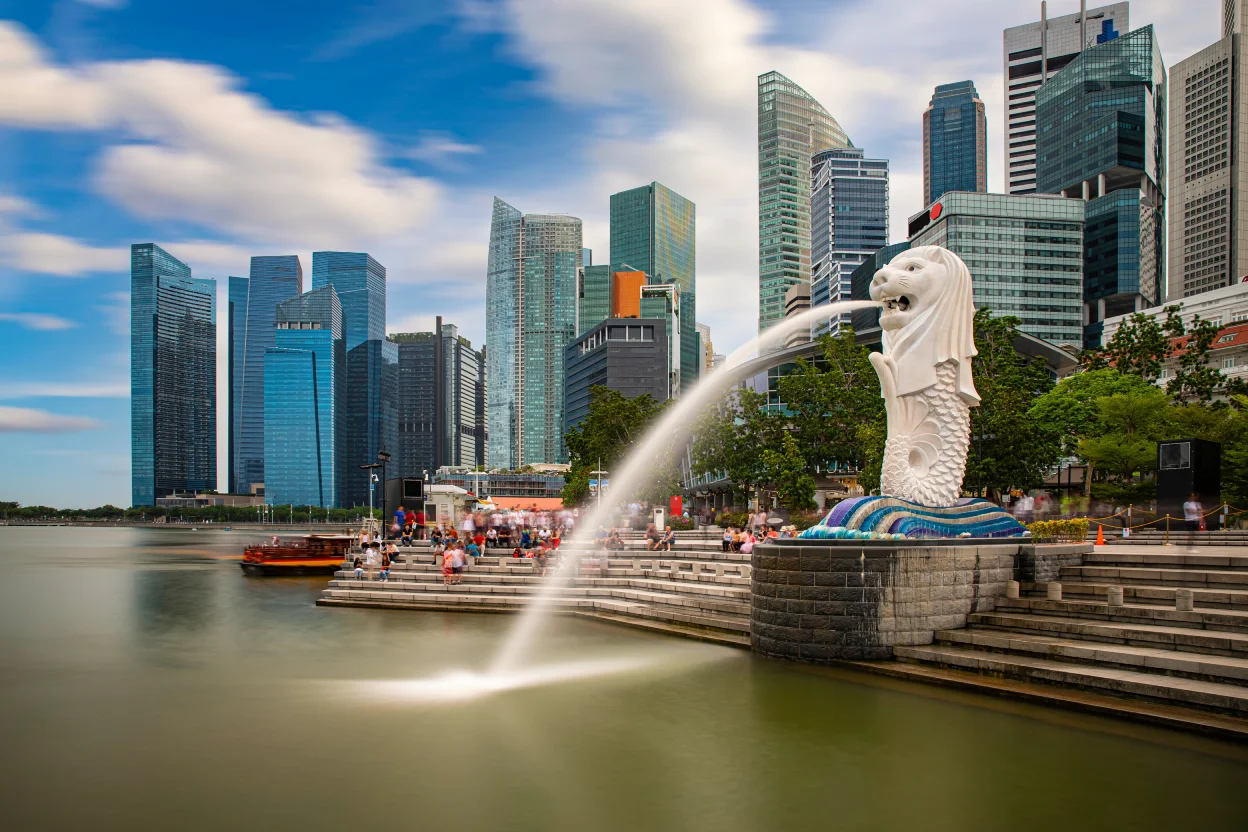
Singapore — photo 1
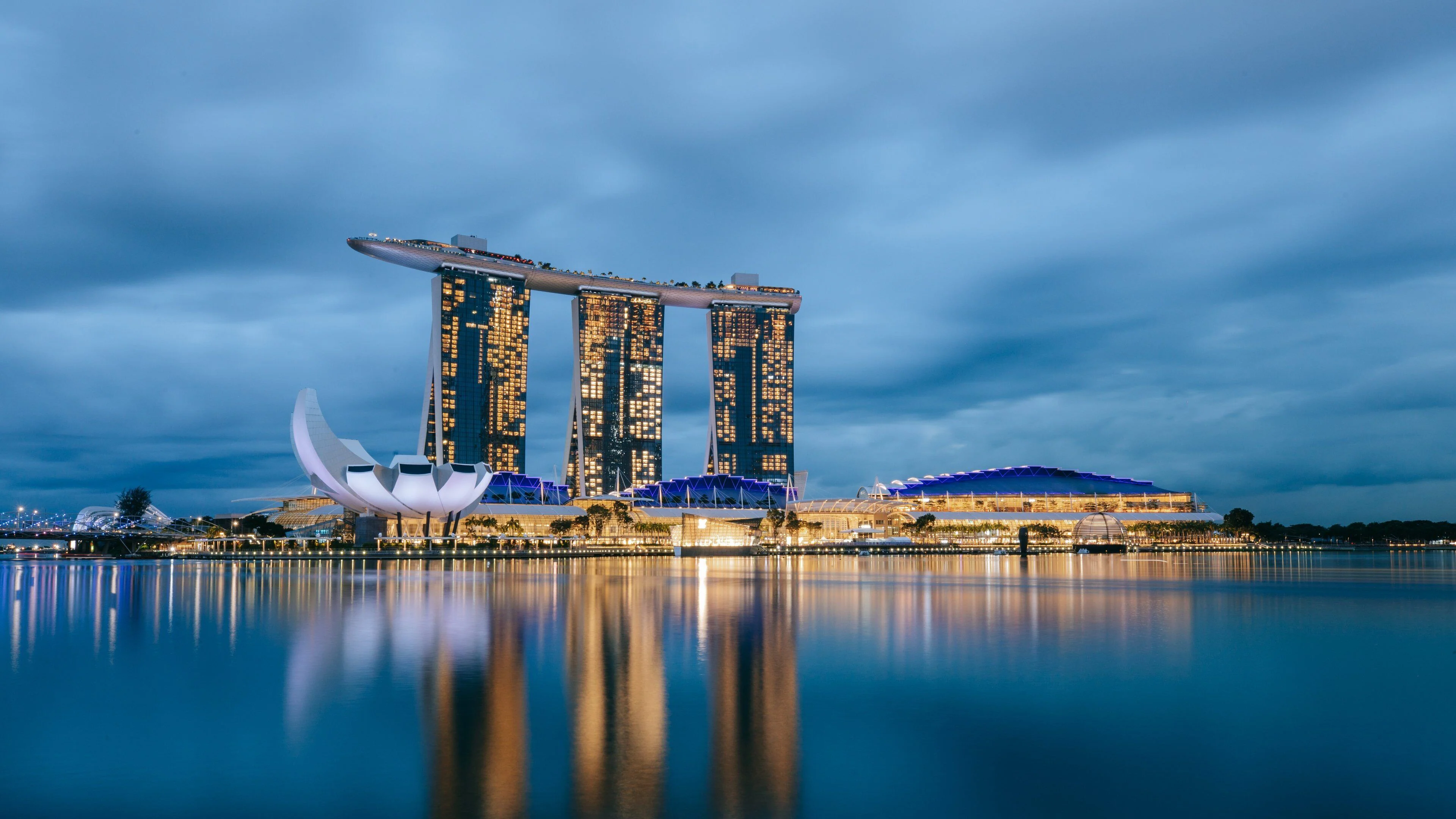
Singapore — photo 2
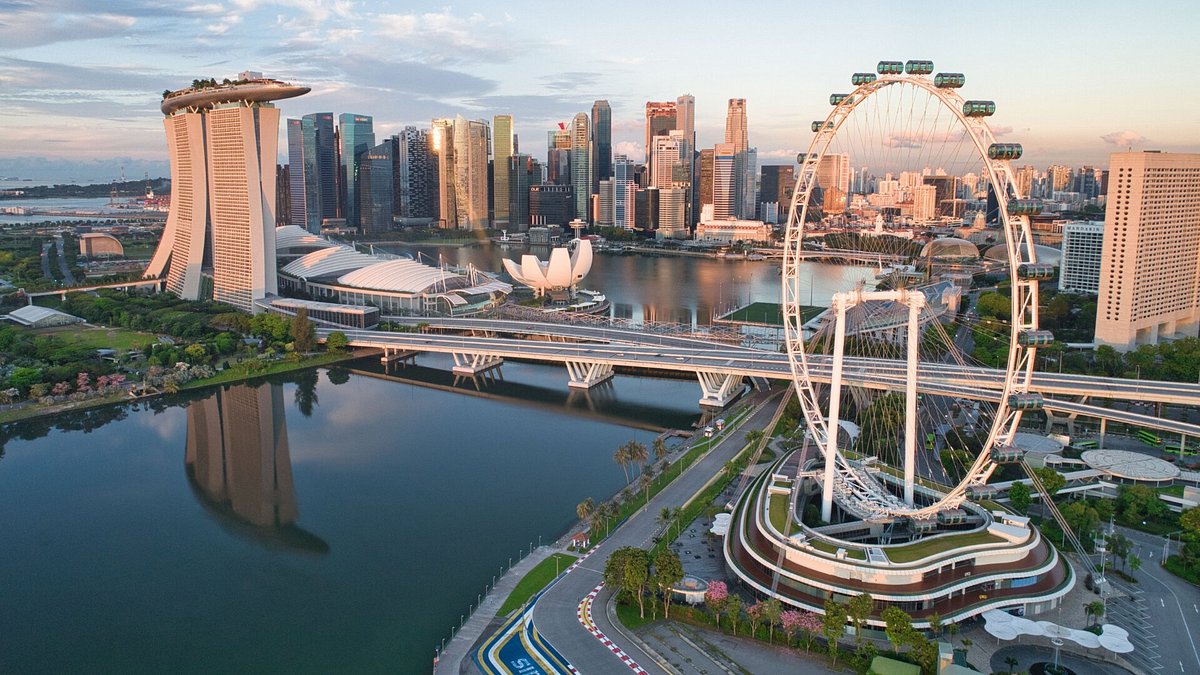
Singapore — photo 3
Singapore — photo 4
Singapore
1 / 4
Popular courses

In-demand programs

We help students secure offers across the most popular fields in Singapore.

  • Business Administration
  • Computer Science
  • Engineering
  • Hospitality Management
  • Data Science
  • Nursing
  • Arts and Design
  • Finance
  • Information Technology
Cost of living

Monthly snapshot

Realistic budget estimates per category.

  • **SingaporeStudy Destination Guide for International Students** **Cost of Living Overview** - **Accommodation:** S$ 600–1,500/mo - **Food & Groceries:** S$ 300–600/mo - **Transport:** S$ 100–200/mo - **Utilities/Internet:** S$ 150–300/mo - **Health Insurance:** S$ 50–100/mo - **Annual Estimate:** ≈ S$ 24,000/yr For more information on studying in Singapore and to explore your options, contact Bookbrite Study Abroad Advisers today!
Visa essentials

Understanding the Singapore student visa process

Studying in Singapore: A Gateway to Asia

Singapore is a vibrant, multicultural city-state known for its world-class education system, safety, and modern amenities. It has become an increasingly popular destination for international students seeking quality education in an English-speaking environment. With institutions like the National University of Singapore (NUS) and Nanyang Technological University (NTU), students can expect a high standard of teaching and innovative research opportunities.

Cost of Living and Tuition Fees

The cost of living in Singapore can vary significantly depending on your lifestyle. On average, international students should budget around S$1,000 to S$2,000 per month for accommodation, food, transportation, and personal expenses. Tuition fees for undergraduate programs range from S$20,000 to S$40,000 per year, while postgraduate programs can cost between S$25,000 and S$60,000 annually. It's essential to plan your finances carefully and explore scholarship opportunities offered by various institutions.

Student Visa Requirements

To study in Singapore, international students must obtain a Student Pass. The application process typically requires acceptance into a recognized educational institution, proof of sufficient funds, and a valid passport. Students should apply for their Student Pass at least one month before their course begins. For detailed information on the application process, visit the Immigration and Checkpoints Authority of Singapore website.

Living and Studying in Singapore

  • Diversity: Singapore is home to a mix of cultures and languages, offering a unique experience for international students.
  • Transportation: The public transportation system is efficient and affordable, making it easy to navigate the city.
  • Food: Enjoy a variety of cuisines, from local hawker centers to upscale restaurants, catering to all budgets.
  • Networking: Take advantage of numerous networking events and career fairs to connect with industry professionals.

Studying in Singapore can be a transformative experience, providing you with the skills and knowledge needed to thrive in a globalized world. If you're ready to take the next step in your education, contact Bookbrite Study Abroad Advisers for personalized guidance and support in your study journey.

Why study in Singapore

Why Study in Singapore

  • World-Class Education System: Singapore is home to several top-ranked universities and institutions, offering globally recognized degrees. The country emphasizes research and innovation, ensuring that students receive a high-quality education that meets international standards.
  • Diverse Cultural Experience: As a melting pot of cultures, studying in Singapore allows you to immerse yourself in a vibrant and diverse environment. You'll have the opportunity to connect with students from all over the world, enriching your academic experience and personal growth.
  • Strong Economic Hub: Known as one of Asia's leading business centers, Singapore offers numerous internship and job opportunities for students. The strong economy allows international students to gain valuable work experience and enhances their employability upon graduation.
  • Safe and Clean Environment: Singapore is renowned for its low crime rate and cleanliness, making it a safe place for international students. The government prioritizes safety and well-being, ensuring a supportive atmosphere for students from diverse backgrounds.
  • Strategic Location in Asia: Studying in Singapore provides easy access to other Asian countries, making it an ideal base for students who wish to explore the region. With affordable travel options, you can experience different cultures and broaden your horizons during your studies.
  • English as a Medium of Instruction: English is widely used in Singapore's education system, making it accessible for international students. This allows non-native speakers to pursue their studies without the added challenge of learning a new language.

Top universities to study in Singapore

Top Universities to Study in Singapore

National University of Singapore (NUS)

  • The National University of Singapore is consistently ranked among the top universities in Asia and globally. It is renowned for its rigorous academic programs, cutting-edge research, and vibrant campus life. NUS offers a wide range of undergraduate and postgraduate courses, with a strong emphasis on innovation and entrepreneurship.

Nanyang Technological University (NTU)

  • Nanyang Technological University is recognized for its engineering, technology, and business programs. NTU boasts a strong focus on research and development, providing students with opportunities to work on real-world projects. The university's modern campus and state-of-the-art facilities make it an attractive choice for international students.

Singapore Management University (SMU)

  • Singapore Management University specializes in business and management education. SMU's interactive and seminar-style teaching approach fosters critical thinking and collaboration among students. Its strong ties to the business community provide valuable networking opportunities, making it a popular choice for aspiring business leaders.

Singapore University of Technology and Design (SUTD)

  • Focused on design and technology, the Singapore University of Technology and Design offers innovative programs that integrate engineering, architecture, and design. SUTD encourages interdisciplinary learning and prepares students to tackle complex global challenges through creativity and technical skills.

Lasalle College of the Arts

  • Lasalle College of the Arts is a leading arts institution in Singapore, offering programs in fine arts, design, music, and performing arts. Its strong industry connections and emphasis on creative expression make it a prime destination for students pursuing careers in the arts.

Intakes in Singapore

Intakes

Singapore offers multiple intakes throughout the year, making it an attractive destination for international students. The primary intakes for most universities and colleges in Singapore are:

  • January Intake: This is the first major intake of the academic year. Applications typically open in May of the previous year, and students are advised to submit their applications by September to ensure adequate processing time.
  • April Intake: Some institutions offer an April intake, particularly for specific courses. Applications usually open in November of the preceding year, with deadlines generally set for January.
  • July Intake: The July intake is another significant option for students, especially for diploma and certificate programs. Applications for this intake typically start in February, with deadlines around April.

Here's a suggested timeline for planning your application:

  1. 6-12 Months Before Intake: Research institutions and programs, prepare for English proficiency tests, and gather necessary documents.
  2. 3-6 Months Before Intake: Complete and submit applications to your chosen institutions. Make sure to check for specific program requirements and deadlines.
  3. 1-3 Months Before Intake: After receiving acceptance letters, apply for your student visa and arrange accommodation. Ensure you meet all pre-departure requirements.

By planning ahead and adhering to these timelines, international students can secure their places in Singapore's esteemed educational institutions and embark on a rewarding study journey.

Cost of studying in Singapore

Cost of Studying

Studying in Singapore offers a world-class education, but it's essential to plan your budget carefully. The cost of tuition varies significantly depending on the level of study and the field of education. Below is a breakdown of tuition fees by study level:

Undergraduate Programs

  • Arts and Humanities: SGD 20,000 – 40,000 per year
  • Business and Management: SGD 25,000 – 50,000 per year
  • Engineering: SGD 30,000 – 60,000 per year
  • Health Sciences: SGD 30,000 – 60,000 per year
  • Information Technology: SGD 25,000 – 55,000 per year

Postgraduate Programs

  • Masters in Arts and Humanities: SGD 25,000 – 45,000 per year
  • Masters in Business Administration: SGD 30,000 – 60,000 per year
  • Masters in Engineering: SGD 35,000 – 70,000 per year
  • Masters in Health Sciences: SGD 30,000 – 65,000 per year
  • Masters in Information Technology: SGD 30,000 – 60,000 per year

Additional Fees

In addition to tuition, students should budget for other expenses, including:

  • Application Fees: SGD 50 – 150
  • Student Pass Application: SGD 60
  • Health Insurance: SGD 100 – 300 per year
  • Miscellaneous Fees (library, lab, etc.): SGD 500 – 1,000 per year

Cost Planning Tips

When planning your budget, consider the following tips:

  • Research scholarships and financial aid options available for international students.
  • Plan for living expenses, which can range from SGD 800 to 1,200 per month, depending on your lifestyle and accommodation choices.
  • Factor in costs for transportation, food, and leisure activities.
  • Consider part-time work opportunities to help offset living costs, as international students are allowed to work up to 16 hours per week during term time and full-time during holidays.

Scholarships to study in Singapore

Scholarships

Singapore offers a range of scholarship opportunities for international students, aimed at making education more accessible and encouraging global talent to study in the country. Here are some key scholarships available:

  • ASEAN Scholarships: These scholarships are for students from ASEAN countries and cover tuition fees for secondary school education. The award amounts typically range from SGD 5,000 to SGD 10,000 per year.
  • Singapore International Graduate Award (SINGA): This prestigious award is designed for international students pursuing a PhD in Singapore. It offers a monthly stipend of SGD 2,000, which can be increased to SGD 2,500 after qualifying for candidacy.
  • Singapore Government Scholarships: Available for a variety of undergraduate programs, these scholarships can cover tuition fees up to SGD 40,000 per year, depending on the course and institution.
  • University-specific Scholarships: Many universities in Singapore provide their own scholarships for international students. These can vary widely, with awards typically ranging from SGD 5,000 to SGD 25,000 depending on the program and the institution.

It is advisable for prospective students to research and apply for these scholarships well in advance, as the competition can be quite fierce. Make sure to check the eligibility criteria and application deadlines to maximize your chances of securing financial support for your studies in Singapore.

Student visa requirements for Singapore

Student Visa Requirements

To study in Singapore as an international student, you must apply for a Student Pass. Here are the requirements:

1. Required Documents

  • Completed Student Pass application form (Form 16)
  • Acceptance letter from a Singaporean educational institution
  • Passport copy with at least six months validity
  • Passport-sized photographs (taken within the last three months)
  • Proof of previous academic qualifications
  • Medical report (if required by the institution)

2. Proof of Funds

You need to demonstrate that you can support yourself financially during your stay in Singapore. The minimum amount required is:

  • SGD 20,000 for a one-year course
  • SGD 10,000 for a six-month course

3. Language Proficiency

International students may need to provide proof of English language proficiency. Common tests accepted include:

  • IELTS (International English Language Testing System)
  • TOEFL (Test of English as a Foreign Language)

4. Application Timeline

It is advisable to apply for your Student Pass:

  • At least 1-2 months before your course begins
  • After receiving your acceptance letter from the institution

5. Compliance Notes

  • Ensure all documents are accurate and complete to avoid delays.
  • Maintain a valid passport throughout your stay in Singapore.
  • Adhere to the conditions of your Student Pass, such as not working more than allowed hours.

Top Student Cities in Singapore for International Students in 2026

Top Student Cities in 2026

  • Singapore - Renowned for its world-class universities and diverse cultural environment, Singapore offers a vibrant city life alongside top-notch academic programs.
  • Melbourne - Known for its arts and culture, Melbourne combines excellent educational institutions with a thriving city atmosphere, making it a favorite among international students.
  • Toronto - A multicultural hub, Toronto boasts a variety of institutions and a welcoming atmosphere, along with numerous networking opportunities for students.
  • London - With its prestigious universities and rich history, London is not only a great place to study but also an exciting city to explore, filled with opportunities.
  • Berlin - Offering a unique blend of history and modernity, Berlin is known for its innovative educational programs and vibrant student life, attracting scholars from around the globe.

Jobs in Singapore for International Students

Jobs for International Students

International students in Singapore have the opportunity to work part-time while studying, which can significantly help in managing living expenses. The Ministry of Manpower allows students holding a valid Student Pass to work up to 16 hours per week during the academic term and full-time during holidays.

Part-time jobs in Singapore typically offer wages ranging from SGD 8 to SGD 15 per hour, depending on the industry and the student’s qualifications. Common part-time roles for students include positions in retail, food and beverage, and administrative support.

Upon graduation, international students can look forward to competitive salaries in the local job market. Graduate salaries in Singapore can vary widely based on the field of study. On average, graduates can expect to earn:

  • Business & Management: SGD 3,500 – SGD 5,000/month
  • Engineering: SGD 3,800 – SGD 6,000/month
  • Information Technology: SGD 3,800 – SGD 5,500/month
  • Healthcare: SGD 3,500 – SGD 5,500/month

These figures indicate the potential for a stable financial future for international students who choose Singapore as their study destination. It’s advisable to start networking early and consider internships to enhance employability after graduation.

Top 5 Highest-Paying Degrees in Singapore

Top 5 Highest-Paying Degrees in Singapore

  1. Medicine
  2. Typical Graduate Salary: ≈ S$ 80,000/yr
  3. Engineering
  4. Typical Graduate Salary: ≈ S$ 60,000/yr
  5. Information Technology
  6. Typical Graduate Salary: ≈ S$ 55,000/yr
  7. Finance
  8. Typical Graduate Salary: ≈ S$ 50,000/yr
  9. Pharmacy
  10. Typical Graduate Salary: ≈ S$ 48,000/yr

High-Demand Job Sectors in Singapore for International Graduates

High-Demand Job Sectors for International Graduates

Singapore is a thriving hub for international students and graduates, offering a diverse range of job opportunities across various sectors. The following industries are particularly promising for international graduates looking to establish their careers in Singapore:

  • Information Technology (IT): As Singapore positions itself as a leading tech hub in Asia, the demand for IT professionals continues to rise. Graduates with skills in software development, data analytics, and cybersecurity are highly sought after. Salaries in this sector typically range from SGD 3,500 to SGD 7,000/month.
  • Healthcare: The healthcare sector in Singapore is expanding rapidly, particularly in nursing, allied health, and healthcare management. International graduates can find opportunities in hospitals, clinics, and healthcare administration. Entry-level salaries start at around SGD 3,000/month, with potential for growth as experience is gained.
  • Engineering: With Singapore's focus on infrastructure development and innovation, engineering disciplines such as civil, mechanical, and electrical engineering are in high demand. Fresh graduates can expect salaries between SGD 3,500 and SGD 5,500/month.
  • Finance and Banking: Singapore is one of the leading financial centers in Asia, creating numerous opportunities in finance, investment banking, and financial technology (fintech). Starting salaries for graduates in this field can range from SGD 3,500 to SGD 6,500/month.
  • Hospitality and Tourism: As a major tourist destination, Singapore's hospitality sector offers many roles in hotel management, event planning, and tourism services. Salaries for entry-level positions typically start at around SGD 2,500/month.
  • Education: With a strong emphasis on quality education, there is a growing need for educators and trainers, especially in international schools and language institutes. Depending on qualifications and experience, salaries can range from SGD 3,000 to SGD 5,000/month.

Overall, international graduates in Singapore can expect a competitive job market with opportunities for growth and development. It is advisable to stay informed about industry trends and network effectively to enhance job prospects.

FAQs related to Study in Singapore

html

What are the top universities in Singapore for international students?

Singapore is home to several renowned universities, including the National University of Singapore (NUS), Nanyang Technological University (NTU), and Singapore Management University (SMU). These institutions offer a wide range of programs and are recognized globally for their academic excellence.

What is the cost of living for international students in Singapore?

The cost of living in Singapore can vary, but students should budget approximately SGD 1,000 to SGD 2,000 per month. This estimate covers accommodation, food, transportation, and other daily expenses. It's essential to plan your finances accordingly to ensure a comfortable stay.

Do I need a student visa to study in Singapore?

Yes, international students must obtain a Student Pass to study in Singapore. This pass is typically issued by the Immigration and Checkpoints Authority (ICA) after you have been accepted into a recognized educational institution.

What are the English language requirements for studying in Singapore?

Most universities in Singapore require proof of English proficiency, typically through standardized tests such as IELTS or TOEFL. Minimum score requirements may vary by institution, so it's important to check the specific requirements of your chosen university.

Can I work while studying in Singapore?

International students on a Student Pass are allowed to work part-time during their studies, but there are restrictions. You can work up to 16 hours per week during the academic term and full-time during vacations, provided you have obtained the necessary work permit.

What types of courses are available for international students in Singapore?

Singapore offers a diverse range of courses for international students, including undergraduate and postgraduate degrees in fields such as business, engineering, information technology, arts, and sciences. Many programs are designed to meet global industry standards.

How can I apply for scholarships as an international student in Singapore?

Many Singaporean universities and organizations offer scholarships for international students. It's advisable to check individual university websites for available scholarships and their application processes. Eligibility criteria and deadlines vary, so early application is recommended.

What is the climate like in Singapore?

Singapore has a tropical climate, characterized by high humidity and temperatures ranging between 25°C to 31°C throughout the year. Rainfall is frequent, particularly during the monsoon seasons from November to January and June to September, so it's wise to be prepared for wet weather.

Limited slots this month

Book a free counselling session with our experts

30 minutes. No obligation. Walk away with a clear roadmap of your study destination, course, and visa pathway.