Bookbrite Study Abroad Advisers

Study in Australia

Australia is a vibrant and diverse country, renowned for its high-quality education system and welcoming atmosphere for international students. With world-class universities and a wide range of courses, Australia offers an excellent environment for both academic and personal growth.

Australia — photo 1
Australia — photo 2
Australia — photo 3
Australia — photo 4
Australia — photo 5
Australia
1 / 5
Popular courses

In-demand programs

We help students secure offers across the most popular fields in Australia.

  • Bachelor of Business
  • Master of Information Technology
  • Bachelor of Engineering
  • Master of Education
  • Bachelor of Health Science
  • Master of Arts
  • Diploma of Hospitality Management
  • Bachelor of Nursing
  • Master of Accounting
  • Bachelor of Science
Cost of living

Monthly snapshot

Realistic budget estimates per category.

  • AccommodationAUD 800/mo
  • FoodAUD 400/mo
  • TransportAUD 150/mo
  • UtilitiesAUD 200/mo
  • InternetAUD 70/mo
  • Health InsuranceAUD 60/mo
Visa essentials

Understanding the Australia student visa process

Why Choose Australia for Your Studies?

Australia is renowned for its world-class education system, vibrant multicultural society, and stunning landscapes. Home to several top-ranked universities, Australia offers a diverse range of courses and programs tailored to international students. With a focus on research and innovation, studying in Australia can provide you with the skills and knowledge to excel in your chosen field.

Education System Overview

The Australian education system is divided into various levels, including primary, secondary, and tertiary education. International students primarily enroll in:

  • Vocational Education and Training (VET): Provides practical skills and training in specific industries.
  • Undergraduate Degrees: Typically last three to four years and cover a broad range of disciplines.
  • Postgraduate Degrees: Include master's and doctoral programs focused on advanced study and research.

Cost of Living and Tuition Fees

The cost of living in Australia can vary depending on the city you choose to study in. Major cities like Sydney and Melbourne tend to be more expensive than regional areas. On average, international students should budget for:

  • Tuition Fees: Ranging from AUD 20,000 to AUD 50,000 per year depending on the course and institution.
  • Living Expenses: Approximately AUD 20,000 to AUD 27,000 annually, covering accommodation, food, transport, and personal expenses.

Work Opportunities for International Students

International students in Australia are allowed to work up to 40 hours per fortnight during the semester and unlimited hours during breaks. This can help you manage living costs and gain valuable work experience. It’s advisable to check your visa conditions and explore job opportunities on university job boards or local job portals.

Next Steps

If you’re considering studying in Australia, it’s crucial to conduct thorough research and understand the application process. For personalized guidance, contact Bookbrite Study Abroad Advisers today to start your journey towards an enriching educational experience in Australia.

Why study in Australia

Why Study in Australia

  • World-Class Education: Australia is home to some of the top-ranked universities globally, offering high-quality education across various fields. By studying here, you gain access to internationally recognized qualifications that can enhance your career prospects.
  • Diverse and Inclusive Environment: With a multicultural society, Australia welcomes students from all backgrounds. This diversity enriches your educational experience and provides a supportive community where you can make lifelong connections.
  • Work Opportunities: International students in Australia can work up to 40 hours per fortnight during the semester and unlimited hours during breaks. This can help you gain valuable work experience and support your living expenses while studying.
  • Stunning Natural Beauty: From stunning beaches to vibrant cities and breathtaking landscapes, Australia offers a unique lifestyle. Explore the Great Barrier Reef, the Outback, and iconic cities like Sydney and Melbourne during your studies.
  • Post-Study Work Opportunities: Graduates from Australian institutions may be eligible for post-study work visas, allowing you to gain work experience in Australia after completing your degree. This can be a valuable step towards permanent residency.
  • Support Services for International Students: Australian universities provide extensive support services tailored to international students, including academic assistance, counseling, and orientation programs to help you adjust to life in Australia.

Top universities to study in Australia

Top Universities to Study in Australia

The Australian National University (ANU)

  • Located in Canberra, ANU is renowned for its research excellence and strong focus on graduate employability. It's consistently ranked among the top universities globally, offering a diverse range of courses across various disciplines.

University of Melbourne

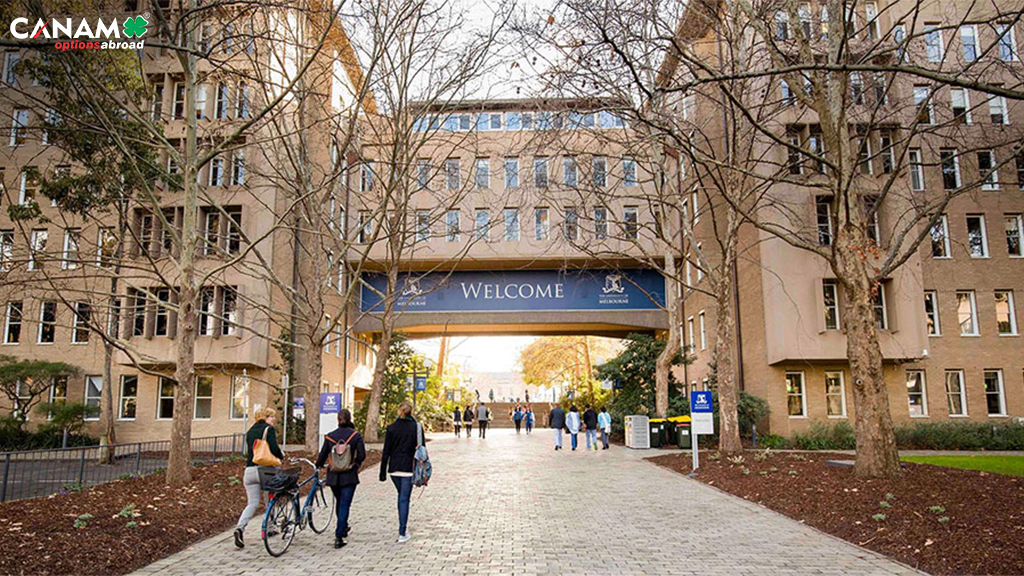
  • As one of Australia's oldest and most prestigious institutions, the University of Melbourne is known for its vibrant student community and outstanding academic programs. It offers a rich array of undergraduate and postgraduate courses, particularly in the fields of arts, science, and business.

University of Sydney

  • The University of Sydney boasts a beautiful campus and a strong reputation for research and teaching. With a diverse range of programs and strong global connections, it attracts students from all over the world, particularly in the fields of law, arts, and health sciences.

University of Queensland (UQ)

  • UQ is known for its cutting-edge research and innovative teaching methods. Located in Brisbane, it offers a broad spectrum of programs and is particularly recognized for its strengths in science, engineering, and business.

Monash University

  • With a strong emphasis on research and global engagement, Monash University offers a wide variety of courses. Its international campuses and partnerships provide students with unique opportunities for global experience and learning.

University of New South Wales (UNSW)

  • UNSW is recognized for its strong emphasis on technology and innovation. The university offers excellent programs in engineering, business, and social sciences, and is actively involved in research that drives industry advancements.

Intakes in Australia

Intakes

Australia offers multiple intake periods each year for international students, providing flexibility and the opportunity to begin their studies at a time that suits them best. The primary intakes are:

  • Semester 1: Typically starts in late February or early March. This is the most popular intake, especially for undergraduate courses.
  • Semester 2: Usually begins in July. This intake is ideal for students who wish to start their studies mid-year.
  • Trimester System: Some institutions operate on a trimester system, offering additional intakes in October. This allows for even more flexibility in course selection.

When planning your application, it’s important to consider the following timeline:

  1. 6-12 Months Before Intake: Research courses and institutions, and begin preparing your application materials, including academic transcripts and English proficiency test results.
  2. 3-6 Months Before Intake: Submit your application to your chosen institution. Ensure that you meet all entry requirements and deadlines.
  3. 1-3 Months Before Intake: Receive your offer letter and confirm your acceptance. If applicable, apply for your student visa and begin arranging accommodation.
  4. 1 Month Before Intake: Prepare for your arrival in Australia, including booking flights and ensuring you have all necessary documents ready.

By understanding these intake periods and timelines, you can effectively plan your studies in Australia. For personalized assistance with your application and visa process, contact BookBrite Advisors today!

Cost of studying in Australia

Cost of Studying in Australia

Studying in Australia offers a world-class education, but it is essential to understand the financial aspects involved. The cost of tuition can vary significantly based on the level of study and the field of study. Below is a breakdown of the typical tuition fees:

Tuition Fees by Level of Study

  • Undergraduate Degrees: Generally range from AUD 20,000 to AUD 45,000 per year, depending on the university and course. For example, courses in arts and humanities may be on the lower end, while engineering and medical degrees can reach the higher end of the scale.
  • Postgraduate Degrees: Typically range from AUD 22,000 to AUD 50,000 per year. Business and management programs often fall within this range, while specialized degrees in health and science may exceed AUD 50,000.
  • Vocational Education and Training (VET): Costs range from AUD 4,000 to AUD 22,000 per year. These programs tend to be more affordable and are a great option for practical skills training.

Tuition Fees by Field of Study

  • Arts and Humanities: AUD 20,000 - AUD 30,000
  • Business: AUD 20,000 - AUD 50,000
  • Engineering: AUD 25,000 - AUD 45,000
  • Health and Medicine: AUD 30,000 - AUD 70,000
  • Information Technology: AUD 20,000 - AUD 40,000

Fee Planning Tips

  • Research Universities: Different institutions have varying fee structures, so it’s crucial to compare costs and find the best fit for your budget.
  • Consider Scholarships: Many Australian universities offer scholarships for international students. Research and apply for these opportunities to reduce your tuition costs.
  • Budget for Living Expenses: In addition to tuition fees, factor in living costs such as accommodation, food, transportation, and health insurance. On average, international students should budget around AUD 20,000 to AUD 27,000 per year for living expenses.
  • Plan Ahead: Create a financial plan that includes all potential expenses and consider setting up a local bank account to manage your funds effectively.

Understanding the cost of studying in Australia is essential for making informed decisions. For personalized advice on budgeting and financial planning, contact us today!

Scholarships to study in Australia

Scholarships

Australia offers a variety of scholarships for international students, making it an attractive destination for those seeking quality education. Understanding the common types of scholarships available and eligibility tips can help you secure financial support for your studies.

Common Scholarship Types

  • Government-Funded Scholarships: These are provided by the Australian government and often include programs like the Australia Awards, which aim to foster international relations and development.
  • University Scholarships: Many Australian universities offer their own scholarships for international students. These can vary widely in terms of eligibility and funding amounts.
  • Private and Non-Profit Organization Scholarships: Various organizations, both local and international, offer scholarships that can cover tuition and living expenses.
  • Research Scholarships: For postgraduate students, research scholarships are available, often tied to specific projects or fields of study.
  • Merit-Based Scholarships: Awarded based on academic excellence, these scholarships target high-achieving students from around the world.

Eligibility Tips

  • Research Early: Start searching for scholarships well before your intended enrollment date, as some have early deadlines.
  • Check Specific Requirements: Each scholarship has its own eligibility criteria, including academic performance, field of study, and nationality. Ensure you meet these before applying.
  • Prepare Strong Applications: Highlight your academic achievements, extracurricular activities, and personal statement to stand out in the application process.
  • Seek Guidance: Consult with education agents or university advisors to identify suitable scholarships and receive assistance with the application process.
  • Stay Informed: Regularly check scholarship portals and university websites for updates and new scholarship opportunities.

Student visa requirements for Australia

Student Visa Requirements

To study in Australia as an international student, you must meet specific visa requirements. Below are the essential components you need to consider:

Documents Required

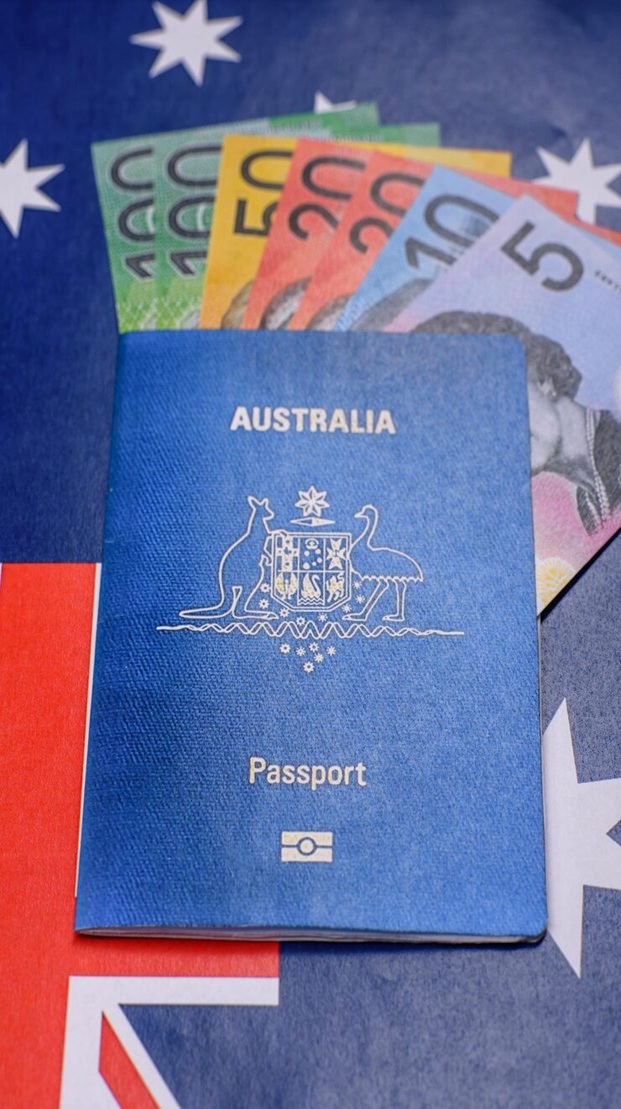
  • Valid passport: Ensure your passport is valid for the duration of your stay.
  • Confirmation of Enrolment (CoE): Obtain a CoE from your chosen educational institution.
  • Health insurance: Provide proof of Overseas Student Health Cover (OSHC) for the duration of your study.
  • Academic qualifications: Submit copies of your previous academic records and certificates.
  • Financial documents: Evidence of sufficient funds to cover tuition fees, living expenses, and travel costs.

Financial Requirements

You must demonstrate that you have adequate funds to support yourself while studying in Australia. This typically includes:

  • Tuition fees for your course.
  • Living expenses, which are generally estimated at AUD 21,041 per year.
  • Travel costs, including return airfare to your home country.

Language Proficiency

Proficiency in English is crucial for studying in Australia. You may need to provide evidence of your English language skills through recognized tests such as:

  • IELTS (International English Language Testing System)
  • TOEFL (Test of English as a Foreign Language)
  • PTE (Pearson Test of English)

Check the specific requirements of your institution as the minimum scores may vary.

Timelines

The process for obtaining a student visa can take several weeks. It is advisable to apply as early as possible. Key timelines to consider include:

  • Application for the CoE: This should be submitted as soon as you receive your acceptance letter from the institution.
  • Visa application: Ideally, apply for your student visa at least 6-8 weeks before your intended course start date.
  • Health examination: Schedule and complete any required health checks promptly.

Compliance Notes

Once your student visa is granted, you must comply with its conditions, including:

  • Maintaining enrollment in a registered course.
  • Attending classes regularly.
  • Not working more than the allowed hours (typically 40 hours per fortnight during the semester).
  • Keeping your contact information up to date with your educational institution.

Failure to comply with visa conditions may result in visa cancellation.

For more information and personalized assistance with your student visa application, contact BookBrite Advisors today!

Top Student Cities in Australia for International Students in 2026

Top Student Cities in 2026

Sydney

  • Known for its iconic landmarks, vibrant culture, and excellent universities, Sydney offers a diverse range of study programs and a lively student life.

Melbourne

  • Ranked as one of the world's most livable cities, Melbourne boasts a rich arts scene, numerous educational institutions, and a welcoming atmosphere for international students.

Brisbane

  • With its warm climate and friendly community, Brisbane is home to several top universities and provides students with a relaxed, outdoor lifestyle.

Perth

  • Perth offers stunning beaches and a booming economy, making it an attractive destination for students seeking quality education and job opportunities post-graduation.

Adelaide

  • Adelaide is known for its affordability and high-quality education, making it an ideal choice for students looking for a balance between study and leisure.

Jobs in Australia for International Students

Jobs for International Students

Australia offers a vibrant job market for international students, providing numerous opportunities to gain work experience while studying. Here’s a breakdown of what you can expect in terms of part-time work, post-study opportunities, and general expectations.

Part-Time Work

As an international student in Australia, you are permitted to work up to 40 hours per fortnight during the academic semester and unlimited hours during scheduled breaks. This flexibility allows you to manage your studies while earning an income. Common part-time job options include:

  • Retail and hospitality roles (e.g., barista, waiter, sales associate)
  • On-campus jobs (e.g., library assistant, research assistant)
  • Tutoring or teaching assistance in your area of expertise

These positions not only help you cover living expenses but also enhance your skills and integrate you into the local community.

Post-Study Opportunities

Once you complete your studies, Australia provides various pathways for international students to remain in the country and work. The Temporary Graduate Visa (subclass 485) allows graduates to work in Australia for up to 18 months (or up to 4 years for certain graduates). This visa is designed to help you gain valuable work experience and potentially transition to permanent residency.

Additionally, many industries in Australia are facing skill shortages, particularly in fields such as healthcare, engineering, and information technology. This demand presents a favorable environment for international graduates seeking employment.

Expectations

While working in Australia as an international student, it’s essential to understand the following expectations:

  • Workplace Culture: Australian workplaces value punctuality, teamwork, and open communication. Familiarize yourself with local customs to fit in smoothly.
  • Tax Obligations: If you earn above a certain threshold, you will need to pay tax. Ensure you apply for a Tax File Number (TFN) to comply with Australian tax laws.
  • Work-Life Balance: Balancing work and study is crucial. Be mindful of your academic commitments and prioritize your studies.

Embracing part-time work while studying in Australia can significantly enhance your experience and career prospects, making it a worthwhile endeavor during your time abroad.

Top 5 Highest-Paying Degrees in Australia

Top 5 Highest-Paying Degrees in Australia

  1. Medicine
  2. Graduates in medicine often secure high-paying roles as doctors or specialists, with lucrative salaries reflecting the extensive education and training required.
  3. Engineering
  4. Engineering degrees, particularly in fields like petroleum, chemical, and electrical engineering, lead to high-demand jobs with substantial earning potential in Australia’s robust industrial sector.
  5. Information Technology
  6. With the rise of technology and digital transformation, degrees in IT, software development, and cybersecurity are highly sought after, often translating to impressive starting salaries.
  7. Finance
  8. Finance graduates, especially those in investment banking and financial analysis, can command high salaries due to their critical role in managing and growing financial assets.
  9. Law
  10. A law degree opens doors to various high-paying positions within legal firms, corporate law, and government agencies, with salaries reflecting the expertise and responsibility involved.

High-Demand Job Sectors in Australia for International Graduates

High-Demand Job Sectors for International Graduates

Australia's job market is vibrant and diverse, presenting numerous opportunities for international graduates. Several sectors are experiencing significant growth, making them ideal for students seeking employment after completing their studies. Below are some of the high-demand job sectors:

Healthcare

  • The healthcare sector is one of the fastest-growing industries in Australia, driven by an aging population and increasing healthcare needs. Roles such as nurses, allied health professionals, and medical technicians are in high demand.
  • Hiring Trends: The Australian government projects that healthcare and social assistance will continue to grow, with an expected addition of over 250,000 jobs by 2024.

Information Technology

  • With the rapid advancement of technology, IT professionals are highly sought after. Specializations in cybersecurity, data analysis, and software development are particularly in demand.
  • Hiring Trends: The tech industry is expected to grow significantly, with job openings in IT projected to increase by 22% over the next five years, reflecting the critical need for skilled professionals.

Engineering

  • Australia’s infrastructure projects and natural resource industries require skilled engineers across various disciplines, including civil, mechanical, and electrical engineering.
  • Hiring Trends: The engineering sector is experiencing a skills shortage, with job openings expected to rise by 15% by 2025, particularly in renewable energy and construction fields.

Education

  • As Australia continues to invest in its education system, there is a growing demand for qualified teachers and educators, especially in STEM (science, technology, engineering, and mathematics) subjects.
  • Hiring Trends: The education sector is projected to grow, with an anticipated increase of around 10% in teaching positions over the next few years, particularly in regional areas.

Construction

  • With ongoing urban development and infrastructure projects, the construction industry is booming. Skilled tradespeople, project managers, and construction managers are in high demand.
  • Hiring Trends: The construction sector is expected to see job growth of approximately 12% over the next five years, fueled by major infrastructure investments.

By targeting these high-demand job sectors, international graduates can enhance their employability and secure rewarding career opportunities in Australia. For personalized guidance on studying and working in Australia, contact us today!

FAQs related to Study in Australia

What are the benefits of studying in Australia?

Australia is known for its high-quality education system, diverse range of courses, and globally recognized universities. Additionally, students enjoy a vibrant multicultural environment, stunning landscapes, and numerous opportunities for work experience.

What is the cost of living for international students in Australia?

The cost of living in Australia varies by city, but on average, international students should budget between AUD 20,000 to AUD 30,000 per year for accommodation, food, transportation, and other expenses.

How can I apply for a student visa in Australia?

To apply for a student visa in Australia, you must be enrolled in a registered course, provide proof of sufficient funds, and meet health and character requirements. The application can be completed online through the Department of Home Affairs website.

What are the work rights for international students in Australia?

International students in Australia can work up to 40 hours per fortnight during the semester and unlimited hours during scheduled breaks. It's important to ensure that your visa conditions allow for work while studying.

Are there scholarships available for international students in Australia?

Yes, many Australian universities offer scholarships specifically for international students. These can cover tuition fees, living expenses, or both. It’s advisable to check individual university websites for specific scholarship opportunities.

What are the most popular courses for international students in Australia?

Popular courses among international students in Australia include Business, Engineering, Information Technology, Health Sciences, and Arts. Each university may offer unique specializations, so research is recommended.

How can I find accommodation while studying in Australia?

Accommodation options for international students in Australia include on-campus housing, shared apartments, and homestays. Websites like University accommodation services, real estate platforms, and student housing services can assist in finding suitable options.

What support services are available for international students in Australia?

Most universities offer a range of support services for international students, including orientation programs, academic support, counseling, and assistance with visa and immigration issues. It's beneficial to take advantage of these resources to enhance your study experience.


Limited slots this month

Book a free counselling session with our experts

30 minutes. No obligation. Walk away with a clear roadmap of your study destination, course, and visa pathway.